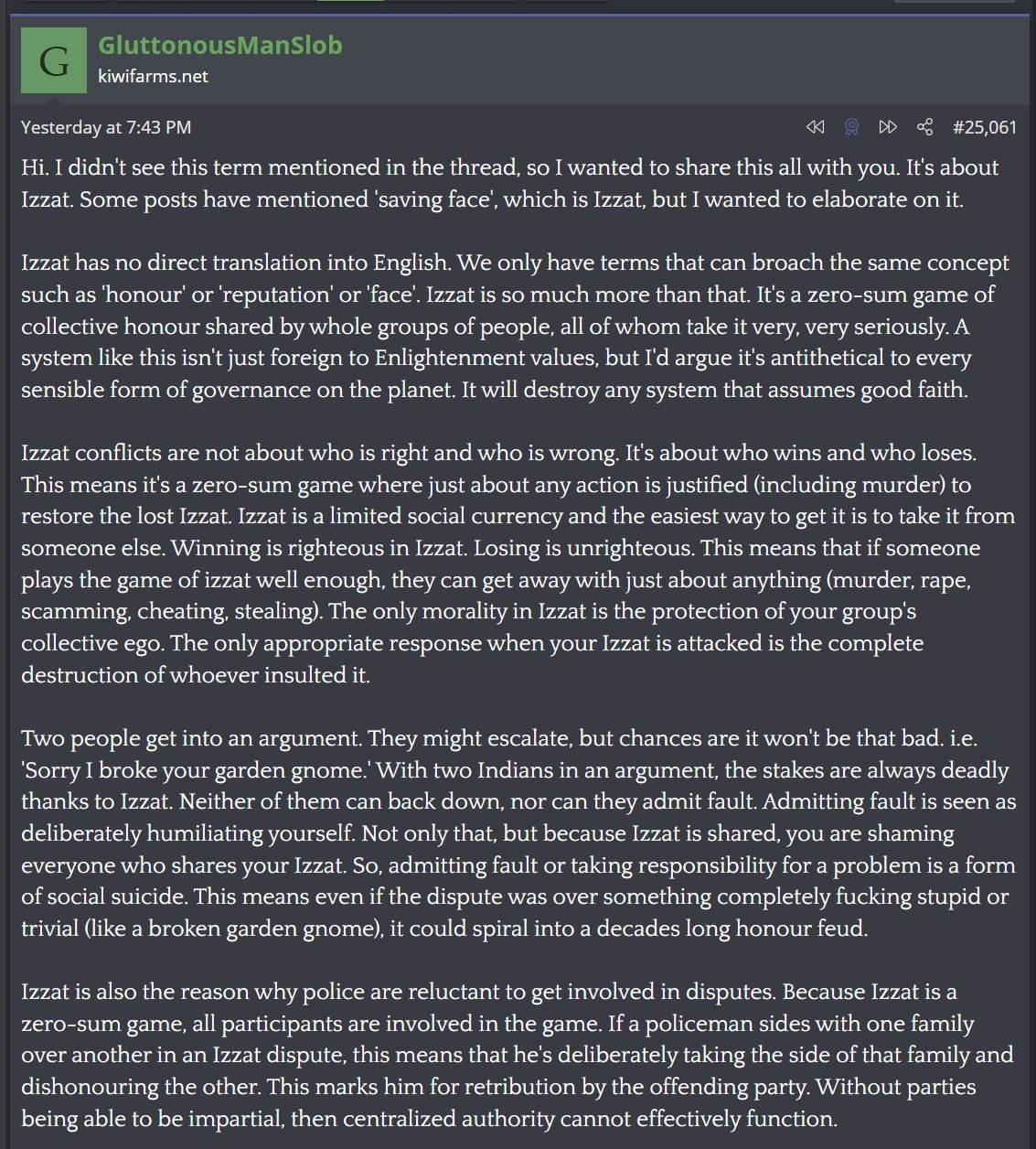
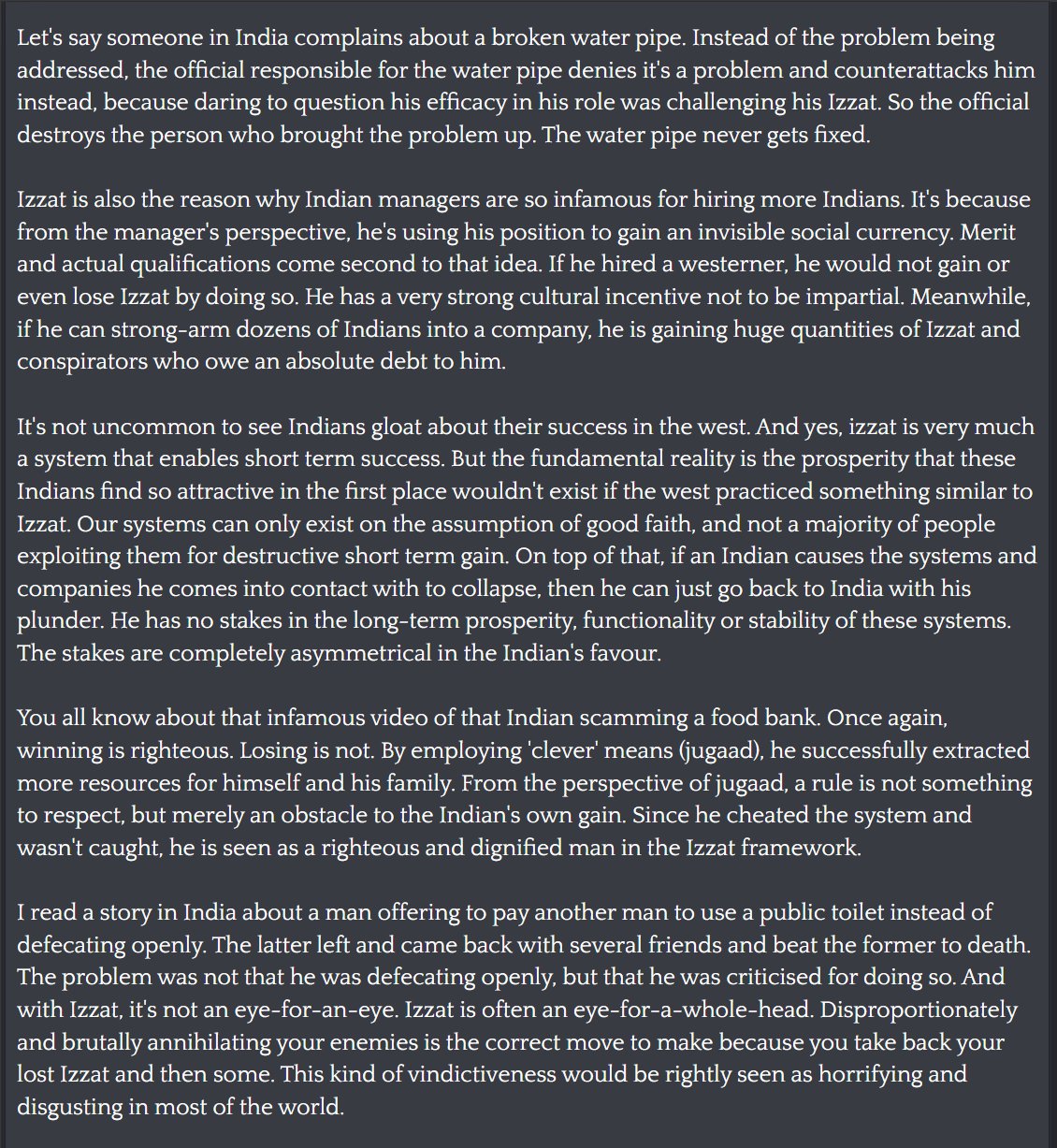
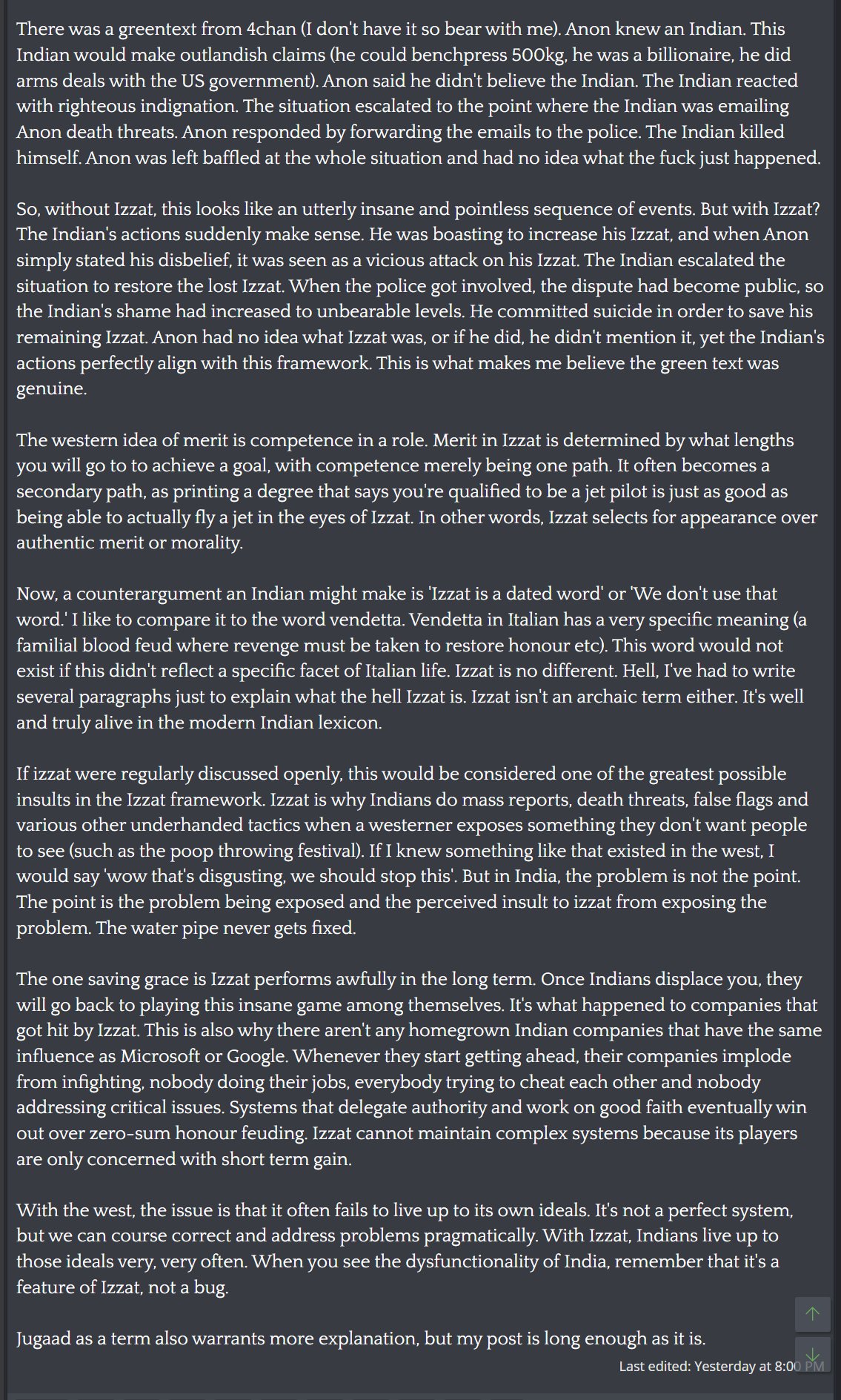
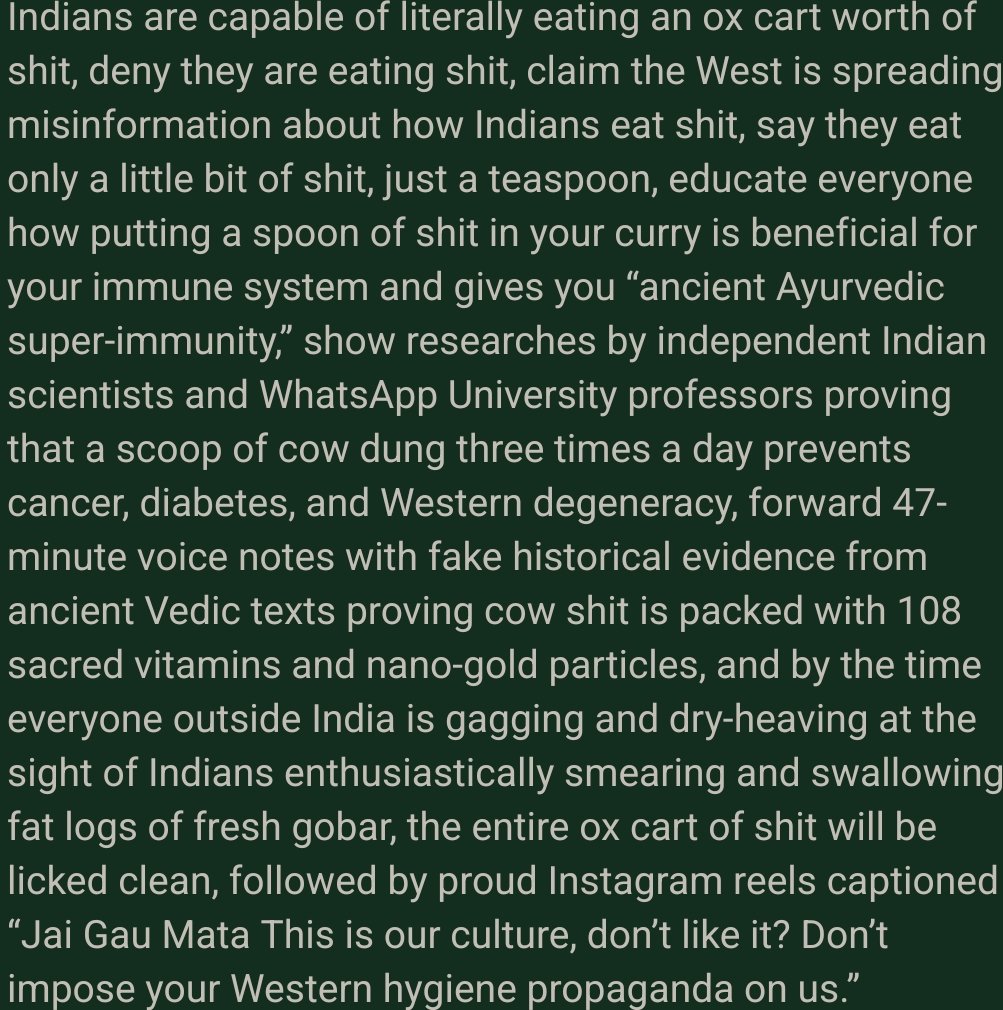
Kiwi Farms user breaks down 'Izzat', the Indian subcontinent's cultural honor system. It effectively explains every single trope about Indian behavior: they all participate in an invisible clout-chasing game that involves screwing over everyone as much as possible.
>>321986 >Le izzat This concept is in literally every group on earth who are competing for a place on the world stage thoughever, America is an example. Anyways Bharat won.
Also izzat is from Arabic ezza meaning might/prestige but ezza doesn't have the additional meaning of transgressing on others, but we Gon leave that aside.. hehe
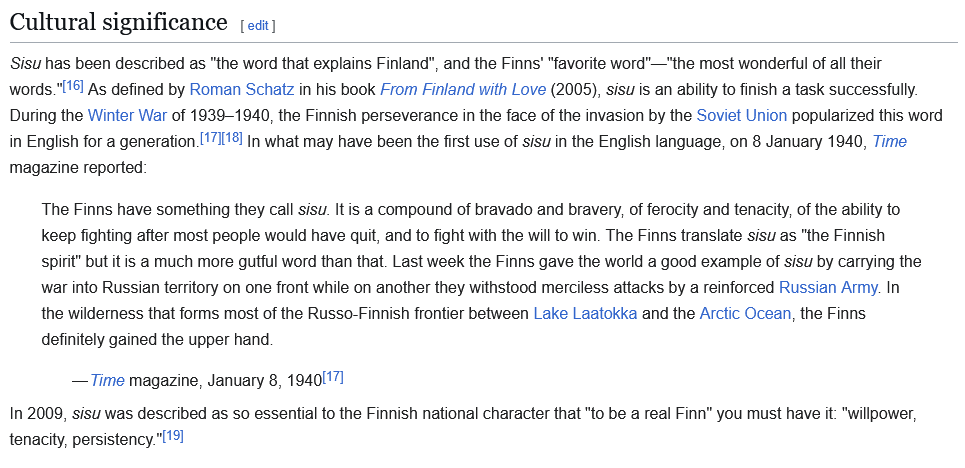
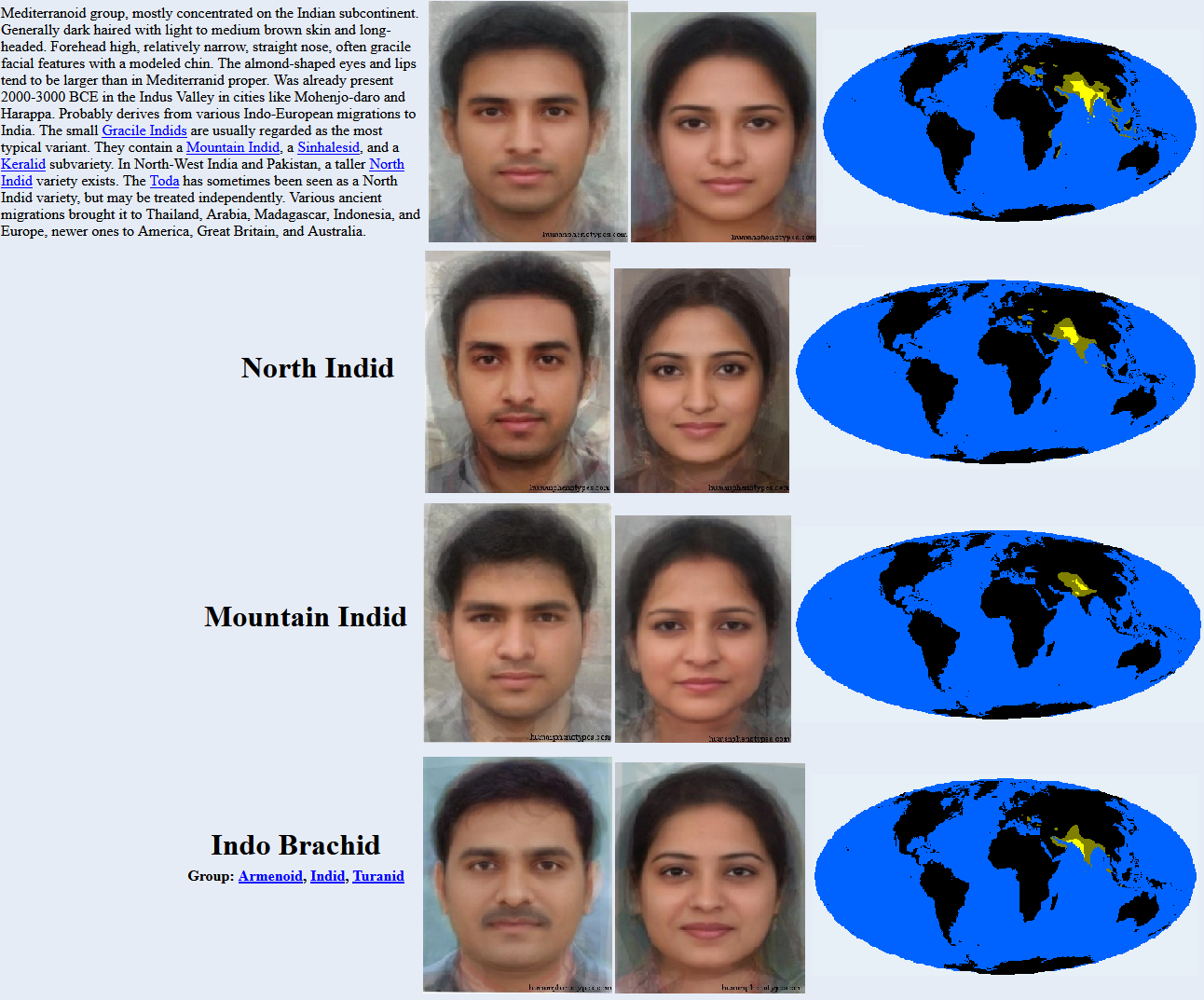
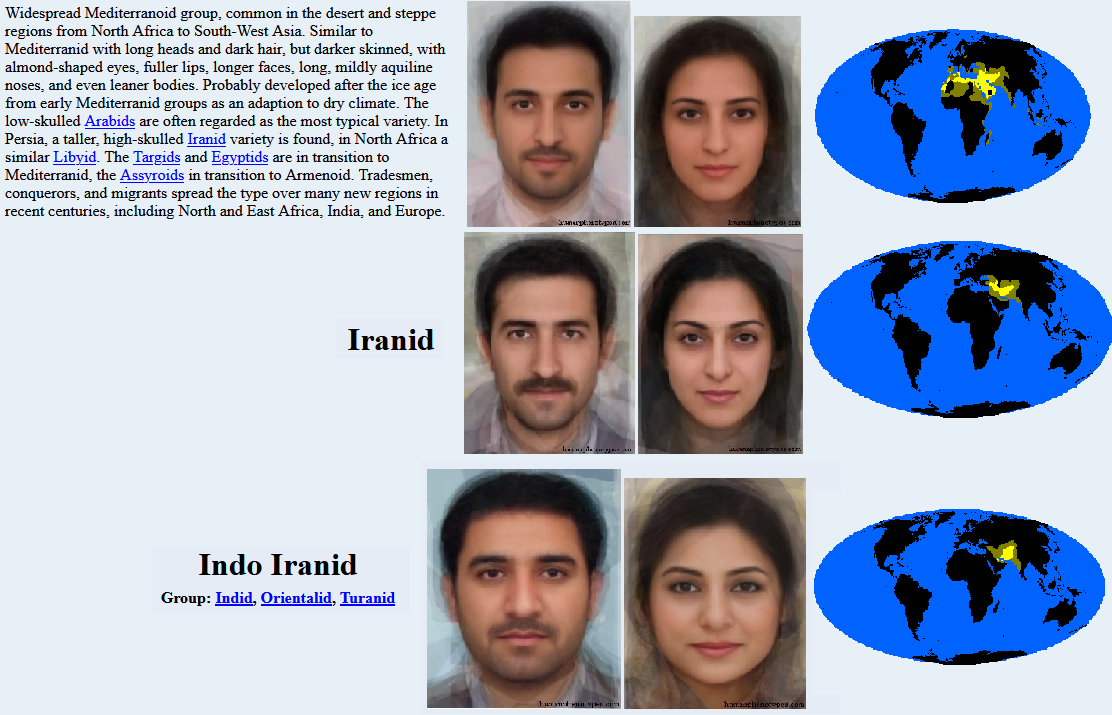
Indians and Pakis are indistinguishable when they share Indid phenotypes and most of them do indeed (the Indids are ancient mixtures mostly between ancient Orientalids and ancient Vedids plus some ancient Nordids) I haven't shown the Indid types only prevalent in India doe
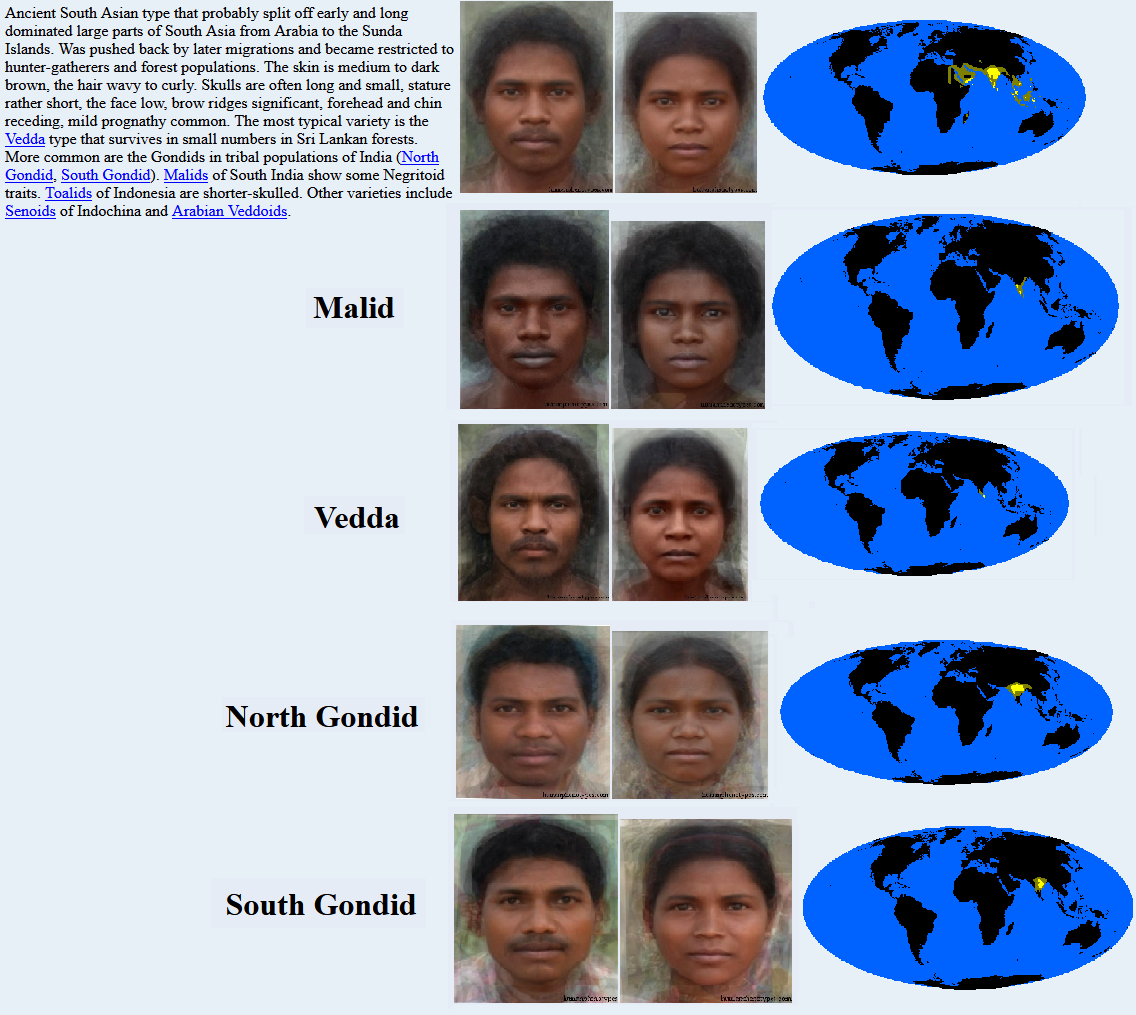
the Vedid types, formerly prevalent in larger areas and the most ancient phenotype of the Indian subcontinent, are now only prevalent mostly in South India and Sri Lanka so you can almost always tell that the person in question who looks Vedid is Indian, Sri-Lankan, or maybe Bangladeshi, but most of the times not Pakistani
now when it comes to Pakistan, this land has gotten more recent migrants from the outside of the Indian subcontinent, so they have mostly fresh Orientalid influences. So if a person has more Orientalid looks it's an indication that he's probably Pakistani, but northern Indians can have those looks too
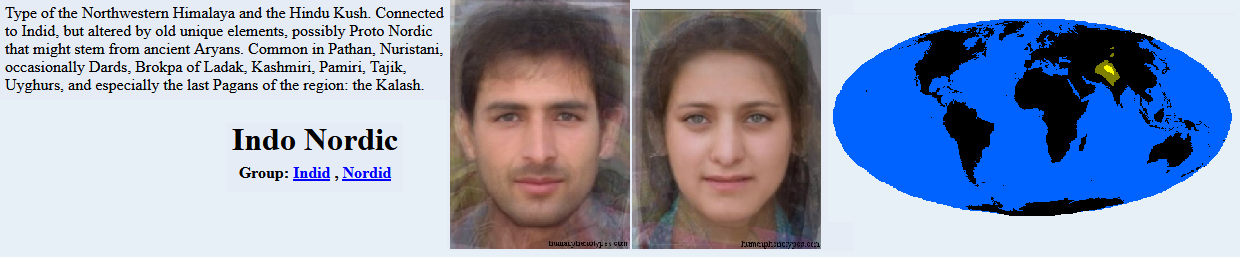
rarely some Kashmiris in India and more often mountain Pakistanis can have the Indo-Nordic phenotype, but it's very rare
Otherwise doe the Indians are mostly Hindu and the Pakistanis are mostly Muslim so you can sometimes tell them apart by clothing or attitude, but there are many Muslims in North India as well but generally they're mostly indistinguishable thanks to many circumstances
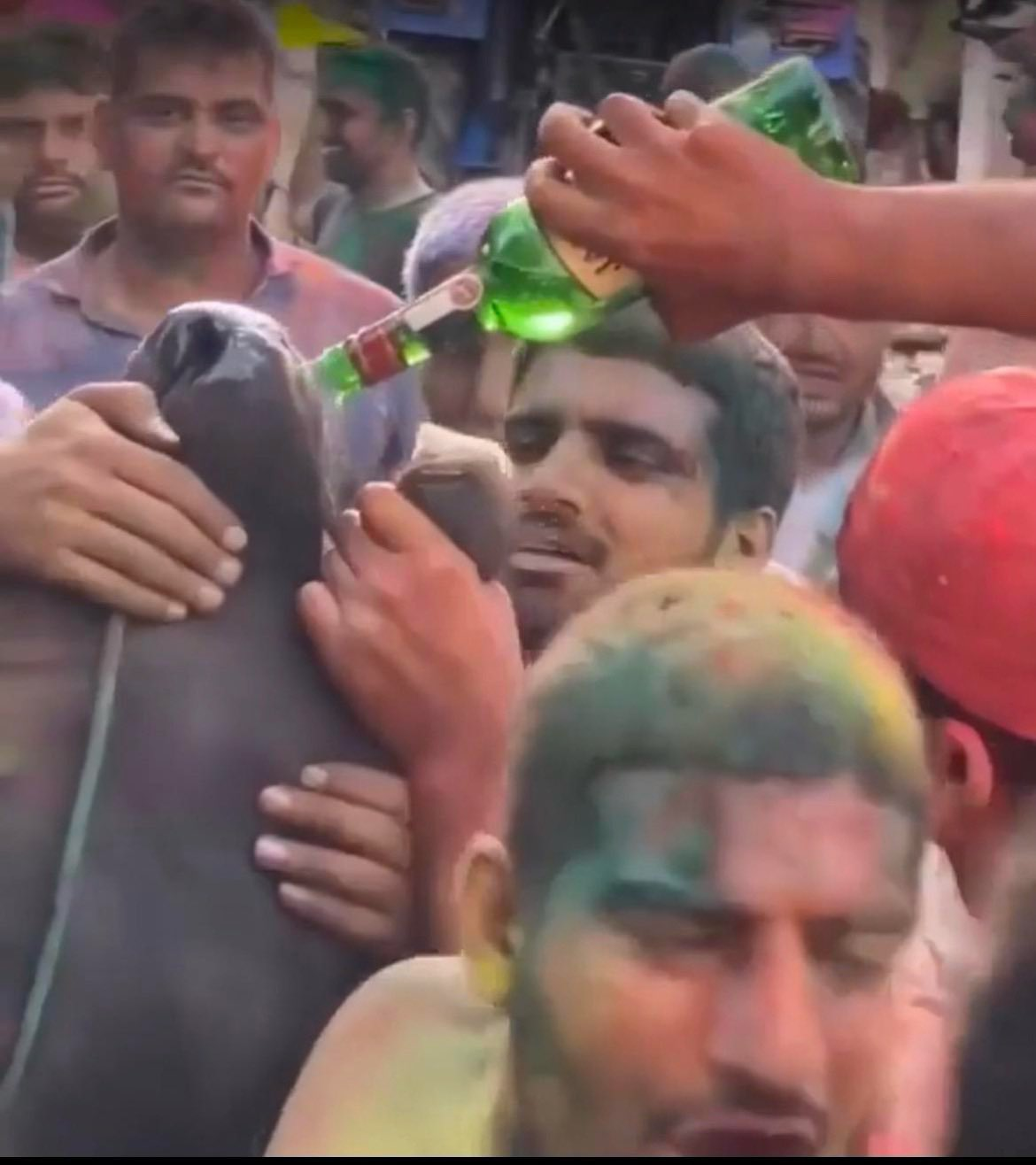
>>322030 In my country we also have food-wasting "celebrations" and they piss me off so fucking much. I can't stand seeing food being thrown away. >>322031 >Coconuts Another namefag from old /bant/
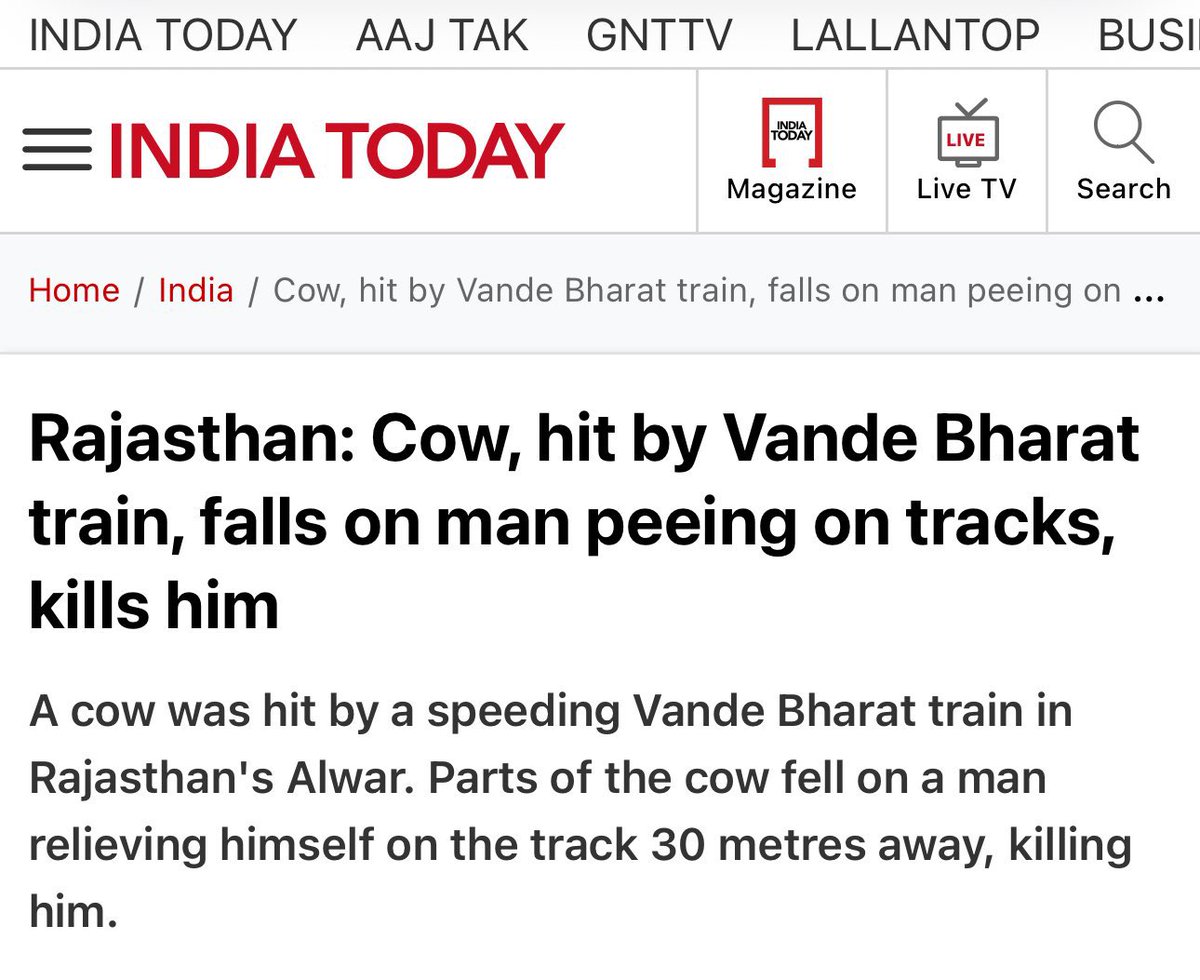
>>322041 Down to the present day, the Brahmans worship the cow. Cows are regarded as daughters of the “heavenly cow.” In India, as in other places, the worship of cows began in some period of recorded history. "We find in early Hindu literature sufficient information to establish the thesis that cows were once victimised at sacrifices and used at times as articles of food.” Then came the change. Cows became sacred animals, and ever since the religious law has forbidden the use of their meat for food. The Atharva-Veda repeatedly deprecates cow-killing as “the most heinous of crimes.” “All that kill, eat or permit the slaughter of cows rot in hell for as many years as there are hairs on the body of the cow slain.” Capital punishment was prescribed for those who either stole, hurt, or killed a cow. “Whoever hurts or causes another to hurt, or steals or causes another to steal, a cow, should be slain.” Even cows’ urine and dung are sacred to the Brahmans. “All its excreta are hallowed. Not a particle ought to be thrown away as impure. On the contrary, the water it ejects ought to be preserved as the best of holy waters. . . . Any spot which a cow has condescended to honour with the sacred deposit of her excrement is forever afterwards consecrated ground.” Sprinkled on a sinner, it “converts him into a saint.” The bull is sacred to Shiva, “the god of destruction in the Hindu Trinity.” “The consecration of the bulls and letting them loose as privileged beings to roam at their will and draw respect from all people is to be noted with particular interest. . . . The freedom and privileges of the Brahman bull are inviolate.” Even when it is destructive, the bull must not be restrained. These quotations show the Apis cult preserved until our times. The “celestial cow” that gored the earth with its horns and turned rivers and lakes into honey and milk is still revered in the common cow and bull by hundreds of millions of the people of India.
Isis, the planet Venus, was represented as a human figure with two horns, like Astarte (Ishtar) of the horns; and sometimes it was fashioned in the likeness of a cow. In time, Ishtar changed from male to female, and in many places worship of the bull changed to worship of the cow. The main reason for this seems to have been the fall of manna which turned the rivers into streams of honey and milk. A horned planet that produced milk most closely resembled a cow. In the Hymns of the Atharva-Veda, in which the ambrosia that falls from the sky is glorified, the god is exalted as the “great cow” which “drips with streams of milk” and as “a bull” that “hurlest thy fire upon earth and heaven .” 4 A passage of the Ramayana about the “celestial cow” says: “Honey she gave, and roasted grain and curled milk, and soup in lakes with sugared milk,” which is the Hindu version of “rivers of milk and honey.”
The “celestial cow” or “the heavenly Surabhi” ( “the fragrant” ) was the daughter of the Creator: she “sprung from his mouth”; at the same time nectar and “excellent perfume” were spread, according to the Indian epic . This description of the birth of the daughter from the mouth of the Creator is a Hindu parallel of Athene springing from the head of Zeus. Fragrance and nectar are mentioned in connection with the birth of the celestial cow, a combination that can be understood if we recall what we learned in the Sections “Ambrosia” and “Birth of the Planet Venus.”